BABY & TODDLER NUTRITION

The first spoonful is one of those moments that arrives carrying equal measures of excitement and anxiety  and almost all of the anxiety comes from not knowing what is normal.

Around six months, when your baby can sit with minimal support, hold their head steady, and has begun watching every spoonful travel from your bowl to your mouth with undisguised longing, their digestive system is ready for something other than milk for the first time. What you offer to your baby in these first weeks and months matters more nutritionally than most parents are told: iron-rich foods are a specific priority because breast milk alone becomes insufficient in iron around six months, and the gap needs to be filled deliberately from the very first meals. Allergens (eggs, peanuts, fish, wheat, sesame) are now recommended to be introduced early rather than delayed, because current evidence consistently shows that early introduction reduces rather than increases allergy risk for most healthy infants. And the food that does all of this most efficiently is already in your kitchen: dhal and lentils for iron and protein, fresh fish for omega-3s and allergen exposure simultaneously, papaye and avocado for a first taste that requires no cooking and two minutes to prepare, brèdes cooked soft and mashed for iron and greens from a plant your baby’s family has eaten for generations.

This page covers every stage of the journey, from the first spoonful at six months through to shared family meals by twelve months and confident toddler eating by two years with recipes using Mauritius-available ingredients, guidance on texture progression, allergen introduction, and what gagging versus choking actually looks like, so you can move through this stage with the calm confidence that comes from knowing rather than guessing.

FREE RECIPES

1
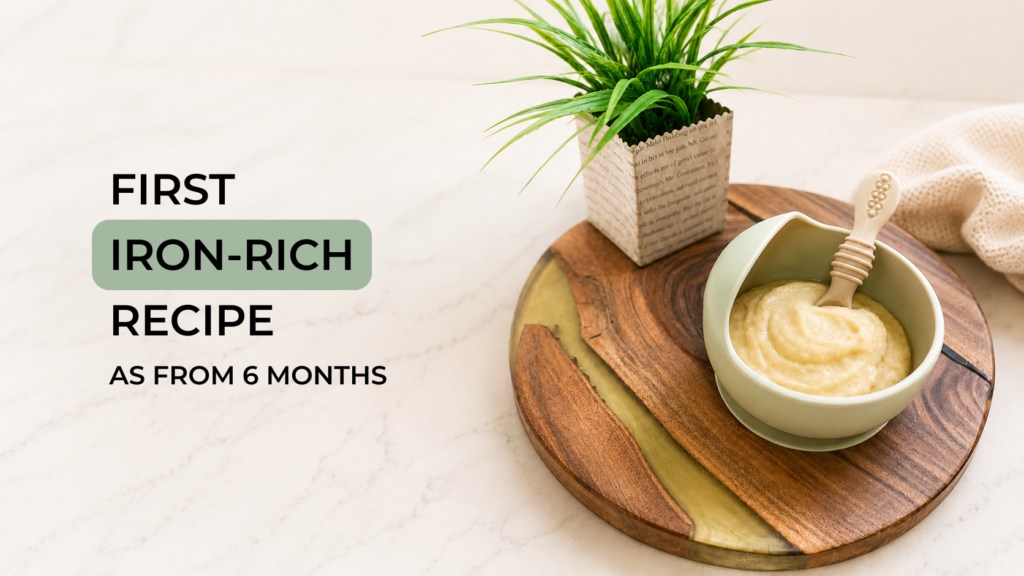
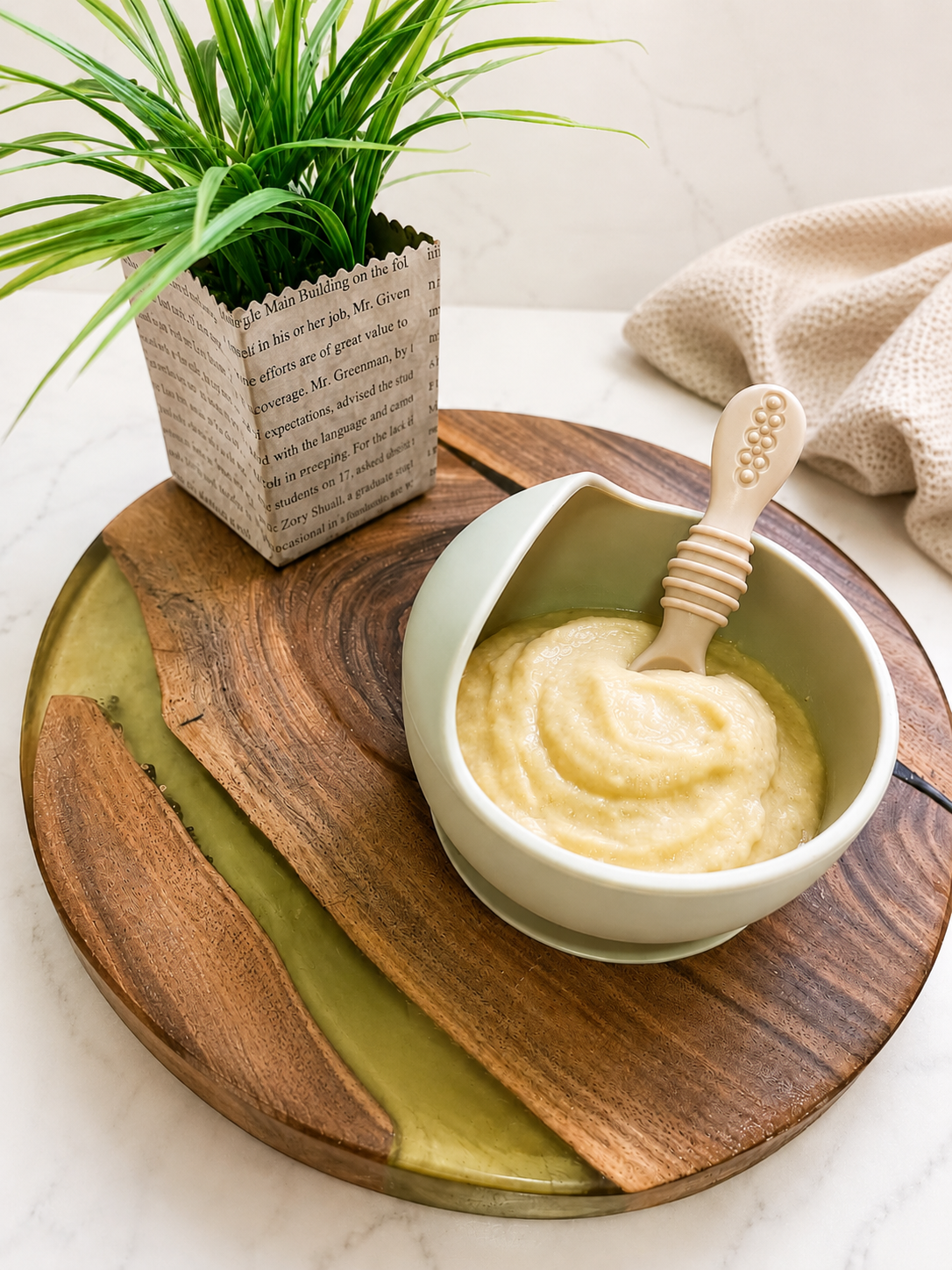
Red Lentils Purée
Baby's Iron Rich Food
Check out this recipe
2
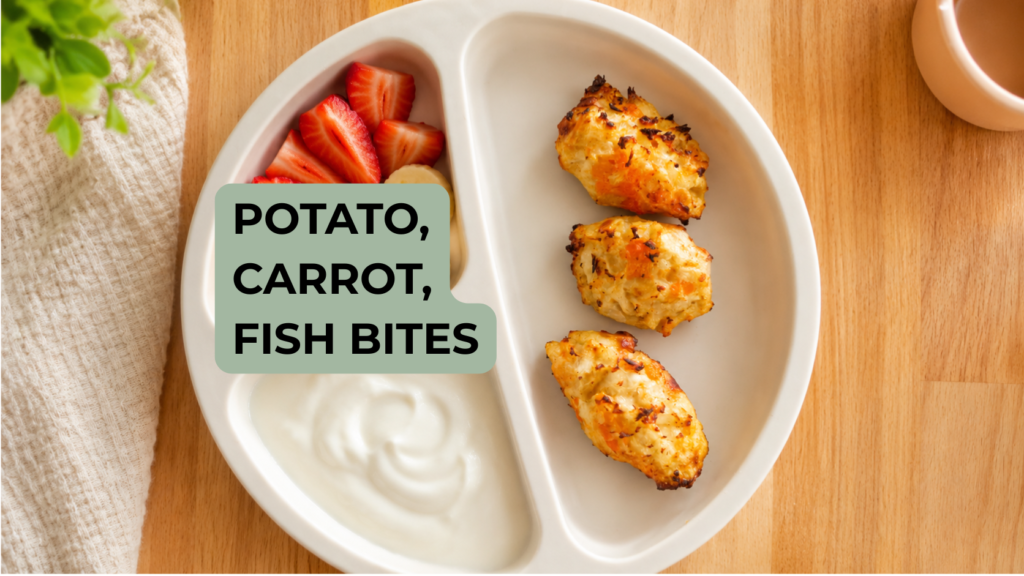
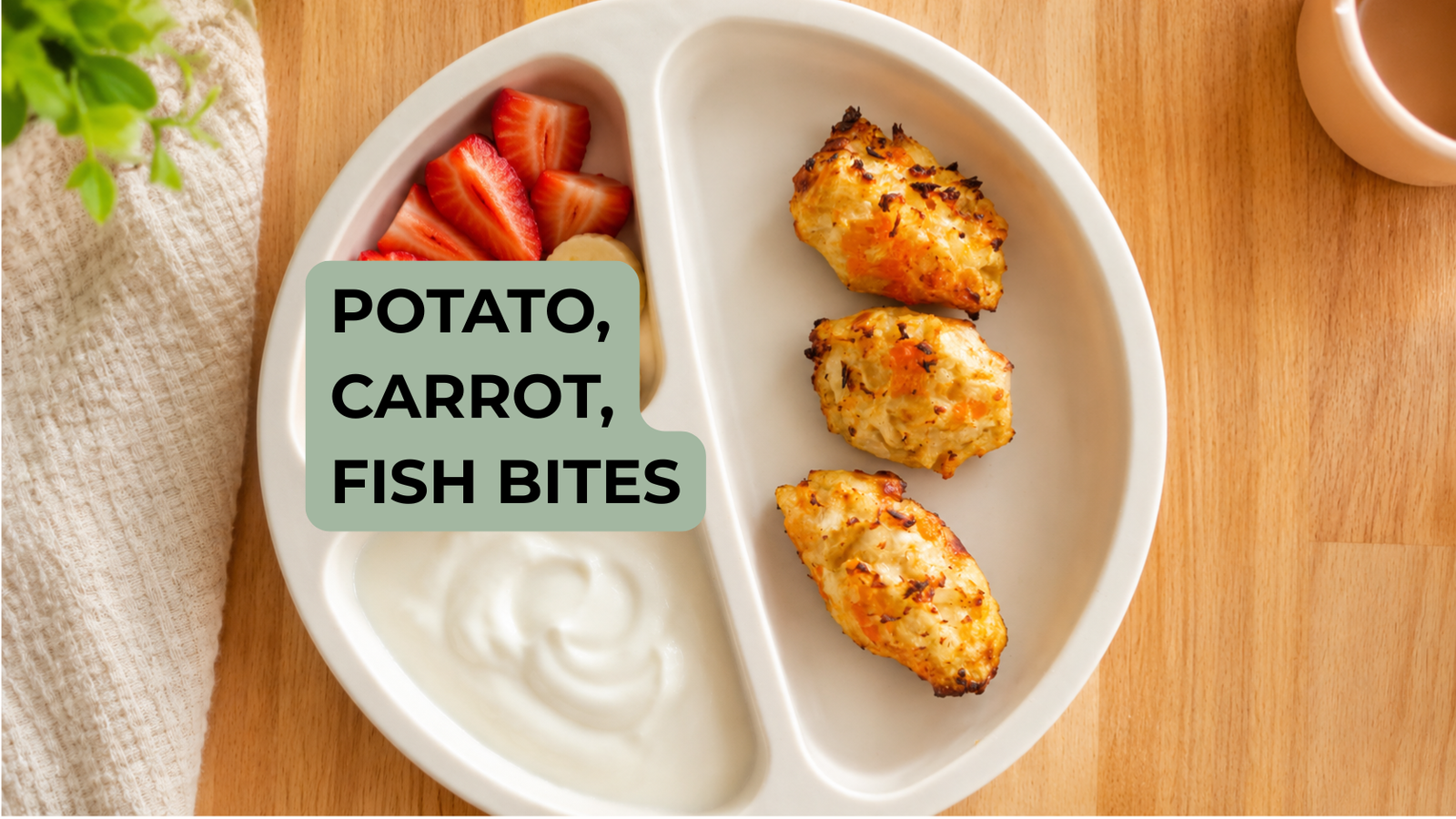
Potato, Carrot and Fish Bites for Babies and Toddlers
Soft on the inside and lightly golden outside, these potato, carrot and fish bites are an easy way to serve fish and vegetables in a toddler-friendly finger food.
Check out this recipe
3
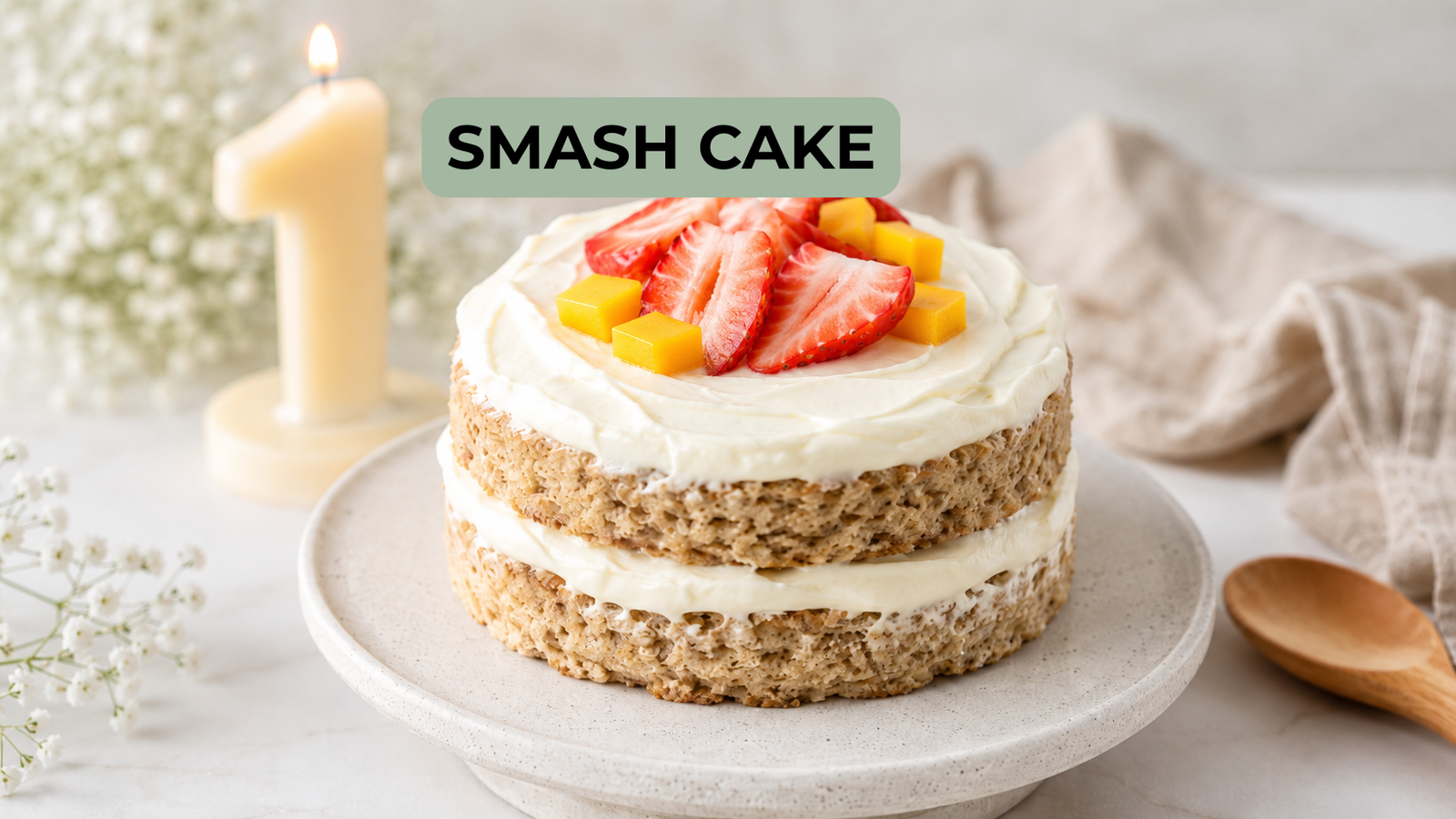
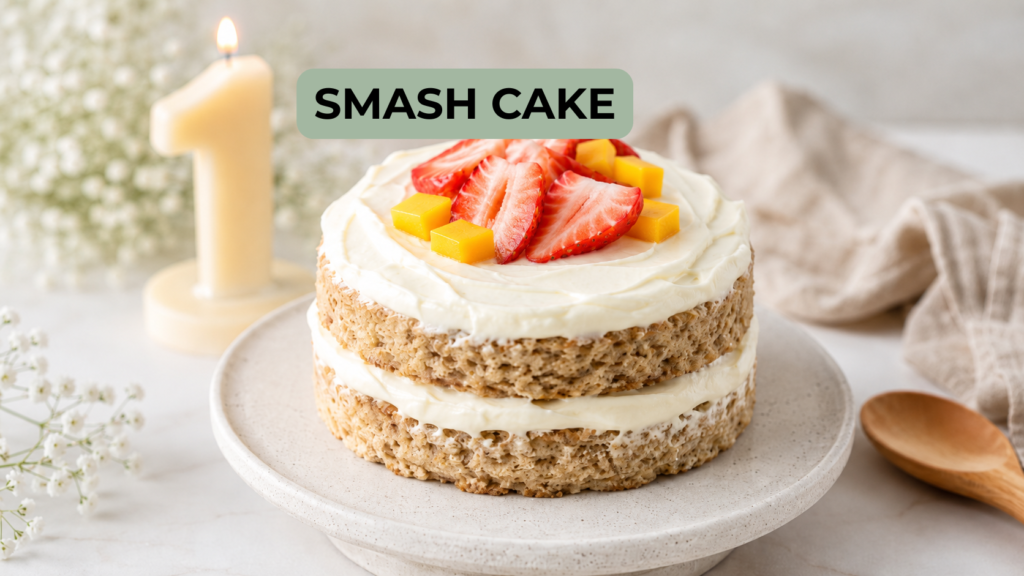
Baby’s First Banana and Oat Smash Cake
A soft, naturally sweet first birthday smash cake made with ripe banana, oats, eggs, yoghurt and fresh vanilla. Finished with a simple Greek yoghurt frosting, this small two-layer cake contains no added sugar and is designed for babies celebrating their first birthday.
Check out this recipe
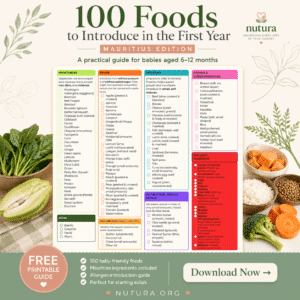
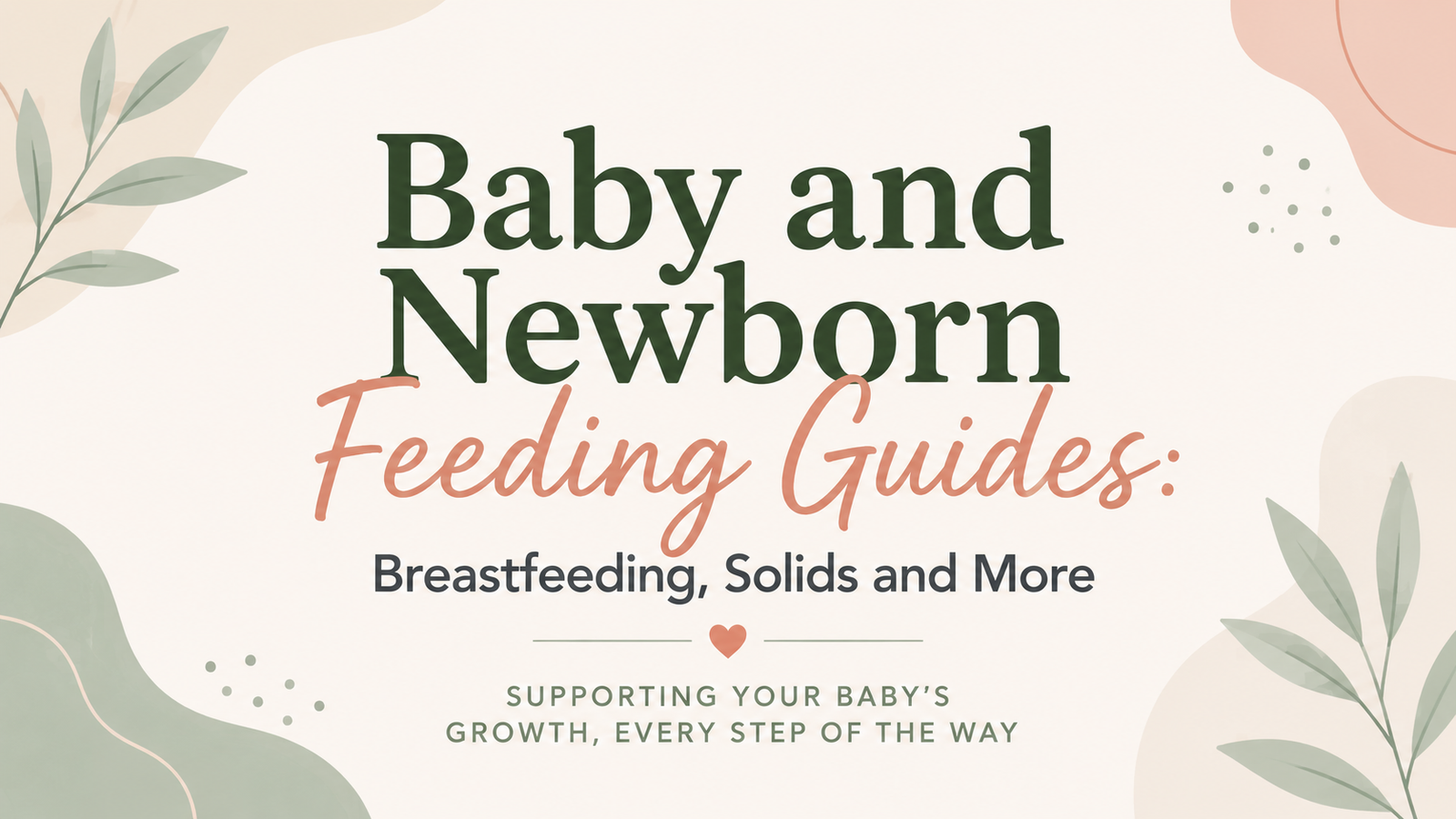
The Full Baby Feeding Hub

Discover and browse through the whole Baby Feeding Hub
Latest Blog Posts:

The content on this page is for general educational and informational purposes only. It is not intended to constitute medical or nutritional advice specific to your child and does not replace the guidance of your paediatrician, GP, or a qualified healthcare professional.

All babies develop at different rates. The guidance on this page regarding the timing of solid food introduction reflects current recommendations from recognised international health bodies, including the World Health Organisation and the American Academy of Pediatrics. However, the right time to start solids for your individual baby should be assessed in consultation with your paediatrician, particularly if your baby was born prematurely, has a history of reflux, has known or suspected allergies, or has any developmental concerns.

The allergen introduction guidance on this page reflects current evidence-based recommendations, which advise early introduction of the major allergens for most healthy infants. If your baby has eczema, a family history of food allergy, or has had a previous allergic reaction to any food, please discuss allergen introduction with your paediatrician or an allergy specialist before proceeding.

If your baby experiences a severe allergic reaction, including hives, swelling of the lips or face, vomiting, difficulty breathing, or significant distress after eating any food, stop feeding immediately and seek emergency medical care. In Mauritius, call SAMU on 114.

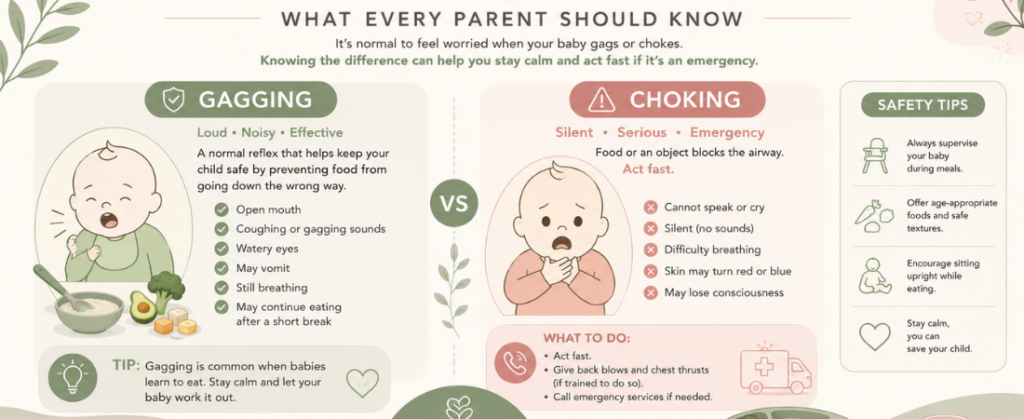
Gagging during the introduction of solids is normal and expected. Choking is a medical emergency. If you have not yet learned infant choking first aid, please do so before beginning solid foods. This content does not substitute for that training.