
Baby Care Guide (0–12 Months)
Feeding, Sleep, Development & What to Expect
Bringing your baby home is a moment you will never forget. And yet, once the quiet settles in, a different reality begins.
You finally have your baby in your arms and suddenly, everything changes. You might be asking yourself:
- “Why is my baby crying so often?”
- “Did they eat enough?”
- “Are they supposed to sleep like this?”
Suddenly, something that should feel natural starts to feel uncertain. And the truth is that no one really prepares you for this stage. Society expects you to know exactly what to do with a newborn as soon as you reach home. Your instinct will kick in they said…
And not to be contradictory, advice comes from everywhere as well, be it from family, internet, social media or any outdated practices judged normal. This often leaves you more confused than reassured.
That’s exactly where most parents get lost.
Nutura is here to bring you back to something simple, understanding your baby, step by step.
YOUR BABY IS LEARNING
The first year is not about doing everything perfectly. It’s about learning. Your baby is learning how to sleep, to eat and to communicate.
But so are you, first-time mamas. You are learning how to respond. This is not a test. It’s a natural process. The more you understand what is happening, the more confident you become.
Areas covered
Sleep
Understand your baby’s sleep patterns, night waking, and how to build gentle routines.
Feeding
Learn how much your baby needs, feeding cues, and when to start solids.
Development
Track milestones and understand your baby’s physical and cognitive development.
Health & Safety
Recognize common symptoms, know when to act, and keep your baby safe and healthy.
YOUR BABY IS NOT A PROBLEM TO FIX
In the first year, everything feels urgent. Sleep feels broken. Feeding feels uncertain. Every cry feels like a question you don’t know how to answer.
But your baby is not “difficult”. Your baby is adapting to the world and you are learning how to respond.
NUTURA is not here to give you rigid rules. It’s here to help you understand what is normal; recognize patterns and respond with confidence. When you understand your baby, everything becomes easier.
SLEEP: WHY IT FEELS SO HARD
Sleep is often the first challenge that shakes confidence. You expect your baby to sleep… but instead, they wake up again and again. At night. During the day. Without warning. That’s when you start to think “Am I doing something wrong?”
Your baby’s sleep is not broken. Newborns are not designed to sleep like adults. Their sleep cycles are shorter, lighter, and constantly changing. They wake because they need to feed, they need comfort or they are still adjusting.
This is not a problem to solve immediately. It’s a phase to understand. When you shift from “How do I fix sleep?” to “How does my baby sleep?” everything changes. You begin to notice patterns. You begin to respond instead of react. And slowly, sleep becomes less stressful.
Related Read:
- Newborn Sleep Schedule by Age
- Why Your Baby Wakes at Night
- How to Build a Gentle Sleep Routine
FEEDING: THE BIGGEST DOUBT
If there is one question almost every mother asks, either breastfeeding or formula feeding, “Is my baby eating enough?”. No matter how many times you hear reassurance, the doubt often comes back because feeding doesn’t look structured.
Sometimes your baby feeds every 2 hours. Sometimes every hour. Sometimes they seem hungry again right after eating. This is where many parents start to worry. But what you are seeing is not a problem, it’s your baby growing.
Feeding is not just about nutrition. It is also about comfort, connection and regulation, especially in the first months, babies don’t follow strict schedules. They follow their needs, which change quickly.
When you begin to trust this rhythm instead of trying to control it, feeding becomes simpler. Not perfect, but clearer.
Related Articles:
- How Often Should a Newborn Eat?
- Baby Feeding Schedule by Age
- When to Start Solid Foods
- Signs Your Baby Is Getting Enough Milk
BABY DEVELOPMENT: LESS PRESSURE, MORE UNDERSTANDING
It’s easy to compare. You hear that “Another baby is already rolling.” or “Someone else’s baby is crawling.” And suddenly, you wonder if your baby behind?”
Development doesn’t follow a fixed timeline. It follows progression. Your baby is learning to see, to move, to respond and to interact. All at their own pace. Some babies are faster physically. Others are more observant. Others take their time. All of that is normal.
What matters most is not when something happens. It’s that progress is happening. When you focus on progress instead of comparison, anxiety decreases and you start to see your baby for who they are, not who they “should be”.
Related Articles
- 2 Month Old Baby Milestones
- 6 Month Development Checklist
- When Do Babies Start Crawling?
- Signs Baby Is Teething
HEALTH & SAFETY
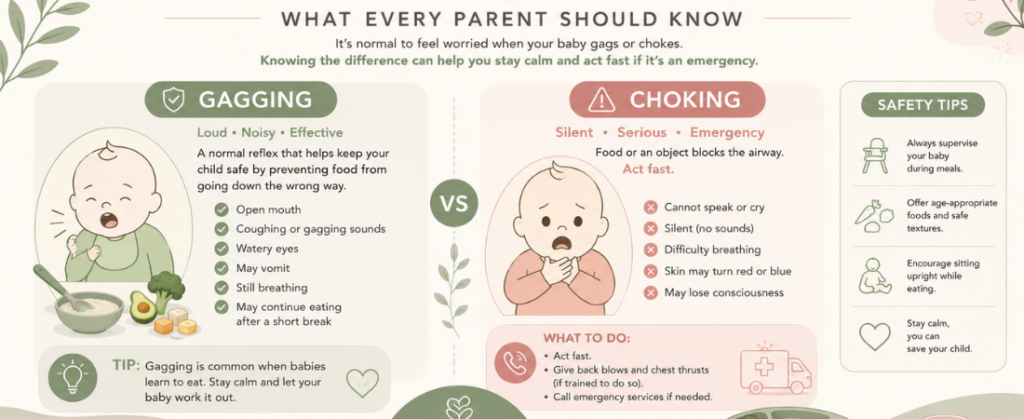
Few things create more anxiety than health concerns. A small fever. A change in behavior. A symptom you didn’t expect. Suddenly, everything feels urgent but not every situation is an emergency and not every symptom is a danger.
What matters is learning to distinguish between normal variations and signs that require attention. Over time, you will start to recognize your baby’s baseline, what is usual and what is different. That awareness becomes your strongest tool.
For parents in Mauritius, it is also important to understand:
- vaccination schedules
- access to pediatric care
- local health practices
Related Articles
- Government Vaccination Calendar Mauritius
- Cost of Pediatrician in Mauritius
- What to Do If Baby Has a Fever
- Baby Constipation: Causes & Solutions
BUDGET PARENTING: LESS IS MORE
Modern parenting can feel overwhelming, not just emotionally, but financially. Everywhere you look, there’s something to buy and it creates pressure. Your baby needs safety, nourishment and comfort. Not a long list of products.
When you simplify, everything becomes clearer.
Related Articles
- Essential Baby Items (What You Actually Need)
- How to Save Money as a New Parent
- Minimalist Baby Setup Guide
Discover All Baby Development Articles:




Soon, your baby becomes more active, more expressive, more independent. That’s when new challenges begin in behavior, the tantrums and methods of communication. Continue your journey with us and don’t forget, you matter too.
POSTPARTUM
Your recovery, your mental health, your well-being, because you matter too.
TODDLER DEVELOPMENT (1-5YEARS)
Feeding, sleep, development, and health simplified for everyday life.
There will be moments when you feel unsure. Moments when you question yourself. Moments when you feel tired beyond words. But none of that means you are failing. It means you are learning and that is exactly what this stage is about.
You are doing WAY better than you think mama.
Frequently Asked Questions
How often should a newborn eat?
Newborns typically eat every 2–3 hours. Some babies feed more frequently, especially during growth spurts. Feeding on demand is the best approach.
Why does my baby wake up so often at night?
Frequent waking is normal. Babies have shorter sleep cycles and need feeding and comfort during the night.
When should I start solid foods?
Most babies are ready around 6 months. Look for signs like good head control and interest in food.
How do I know if my baby is developing normally?
Babies reach milestones at different times. Focus on overall progress rather than exact timelines.
What are signs my baby is teething?
Common signs include drooling, irritability, chewing on objects, and mild gum swelling.
How much sleep does a baby need?
Newborns sleep 14–17 hours per day, but in short periods. Sleep patterns improve over time.
What should I do if my baby has a fever?
Critical to monitor temperature and behavior. First, place a luke warm compress on neck, never on stomach. If fever is high or persistent, consult a healthcare provider.
How can I reduce baby expenses?
Focus on essentials, avoid unnecessary products, and prioritize function over marketing.