Pregnancy Guide: Week by Week, Symptoms & What to Expect
Everything you need to navigate your pregnancy with confidence, from early signs to labor, with simple, expert-backed guidance.
If you’re pregnant right now, chances are you’ve already asked yourself:
- “Am I doing this right?”
- “Is this normal?”
- “What should I be doing next?”
And the hardest part? There are too many answers and none feel clear enough. Some advice is clearly outdated. Some is overly medical. And some, well, doesn’t apply to your reality, especially in Mauritius.
That’s exactly why Nutura exists.
This section is designed to walk you through your pregnancy journey step by step, simply, clearly, and without overwhelming you.
Explore Your Pregnancy Journey
Week-by-Week Pregnancy
Track your baby’s development and your body changes week by week.
Pregnancy Symptoms
Understand what’s normal, what’s not, and what to do.
Pregnancy Nutrition
What to eat, what to avoid, and how to stay healthy.
Labor & Delivery
Prepare for birth with clarity and confidence.
Pregnancy in Mauritius
Local advice, hospitals, traditions, and real-life insights.
YOUR PREGNANCY, SIMPLIFIED
Pregnancy is not just a physical journey. It’s emotional, confusing, sometimes stressful and often filled with uncertainty. But here’s what you need to remember:
You don’t need to know everything. You just need to know what matters, right now.
This page is designed to help you:
- understand what’s happening in your body;
- know what is normal;
- take simple, practical actions;
- feel more confident every day.
PREGNANCY WEEK BY WEEK
One of the biggest sources of stress during pregnancy is not knowing what to expect. Multiple times during your pregnancy journey, questions such as “Is this symptom normal?” or “Is my baby developing correctly?” pop up. Understanding your pregnancy week by week removes that uncertainty.
What you’ll discover
Each week, your baby changes rapidly. You’ll learn:
- baby size and development
- changes in your body
- what symptoms are normal
- what to do next
Example milestones
- 4 weeks pregnant: early symptoms begin
- 13 weeks pregnant: end of first trimester
- 20 weeks pregnant: anatomy scan
- 36 weeks pregnant: preparing for labor

PREGNANCY SYMPTOMS (WHAT’S NORMAL?)
Let’s be honest, pregnancy symptoms can feel scary. Especially when no one explains them clearly to you, or you hear conflicting advice.
Common early symptoms
includes nausea, fatigue, breast tenderness, mood swings and light cramping.
What most moms worry about
bleeding, strong cramps, lack of symptoms or unusual pain.
Important truth
Not all pregnancies look the same. Some women feel everything, others feel nothing and some feel something in between and all of that can be normal.
When to seek help
Always consult a healthcare professional if you experience heavy bleeding, severe pain, dizziness or fainting.
WHAT TO EAT DURING PREGNANCY
Nutrition is one of the most confusing parts of pregnancy. You’ll hear “eat for two”, “avoid everything” or “just eat normally”. The reality: you don’t need perfection, you need balance.
Focus on:
✔ Iron-rich foods
✔ Protein
✔ Whole foods
✔ Hydration
Foods to be careful with:
- raw or undercooked food
- high mercury fish
- unpasteurized products
The biggest mistake is overcomplicating food. Only one simple rule:
If it’s natural, balanced, and safe — you’re on the right track.
PREPARING FOR LABOR
This is where anxiety often increases. Common fears are “Will I be able to handle the pain?”, “What if something goes wrong?” or “What should I expect?”.
The truth is that there is no “perfect” birth. There is only preparation, understanding and support.
What you should focus on:
- understanding your options (natural, C-section, VBAC)
- preparing your hospital bag
- knowing early labor signs
- managing expectations
PREGNANCY IN MAURITIUS
Because your reality matters, this is where Nutura becomes different.
Pregnancy in Mauritius is not the same as in Europe or the US.
You need to know:
- where to give birth
- public hospital vs private clinic costs
- what kind of support is available
- cultural expectations
Topics covered:
- Cost of giving birth in Mauritius
- Best maternity clinics
- Hospital experience
- Cultural pregnancy traditions
- Dietary practices (Halal, Hindu)
Discover All Pregnancy Articles:


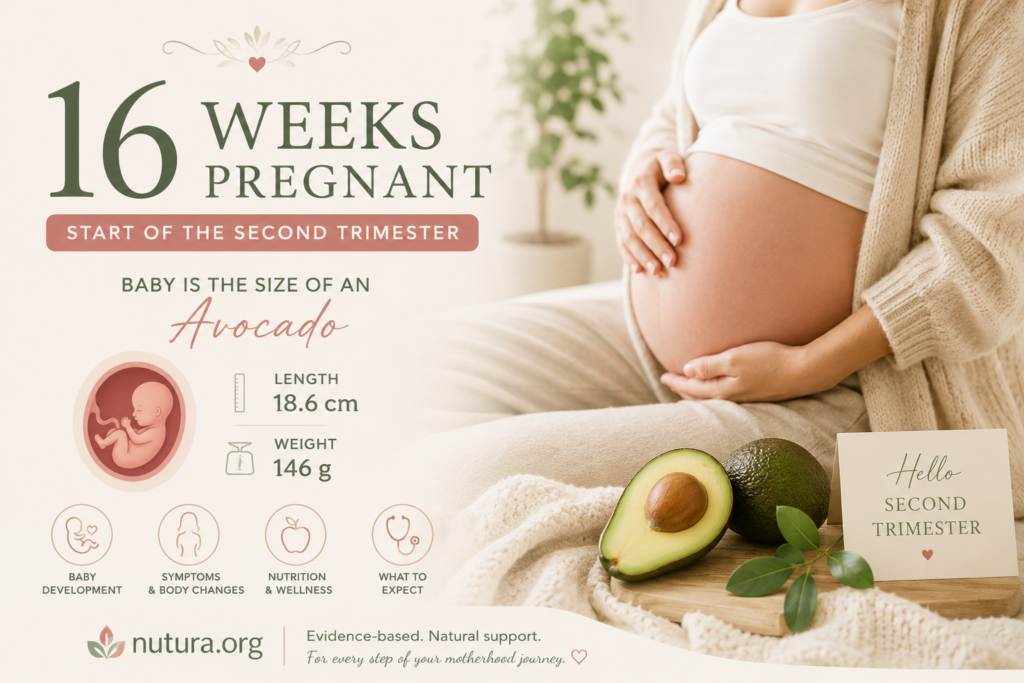
17 Weeks Pregnant: Your Growing Baby, Your Changing Body, and the Quiet Middle
Pregnancy is just the beginning. After birth, new questions come in like how to feed your baby, how to understand crying or how to manage sleep. Next read:
POSTPARTUM
Your recovery, your mental health, your well-being, because you matter too.
BABY DEVELOPMENT
Feeding, sleep, development, and health simplified for everyday life.
If you feel overwhelmed…
If you feel unsure…
If you feel like you should “know more”…
You are not alone.
And more importantly you are not doing it wrong.
Frequently Asked Questions
What are the early signs of pregnancy?
Early signs of pregnancy can include a missed period, nausea or morning sickness, fatigue, breast tenderness or frequent urination. Some women feel many symptoms, others very few. Both can be completely normal.
After how many DPO can I get a positive pregnancy test?
You may get a positive test as early as 8–10 days past ovulation (DPO), but most reliable results appear around 12–14 DPO. Testing too early can give a false negative, so if unsure, wait a few days and test again.
What is implantation bleeding and how is it different from a period?
Implantation bleeding happens when the embryo attaches to the uterus. It is usually light spotting (pink or brown), shorter than a period and not heavy. If bleeding is heavy or painful, consult a healthcare provider.
What are the best remedies to calm nausea during pregnancy?
Simple remedies include eating small but frequent meals, avoiding strong smells, drinking ginger tea, staying hydrated and eating dry foods like crackers. If nausea is severe or persistent, seek medical advice.
Is it normal to feel overwhelmed during pregnancy?
Yes, pregnancy can feel confusing and emotional. You are not expected to know everything. Focus your energy on go through every day and rely on simple, trusted guidance.
What symptoms are normal in early pregnancy?
Common normal symptoms include mild cramping (often similar to period cramps but in a lighter version), fatigue, nausea or mood changes. However, heavy bleeding or severe pain should always be checked.
What should I eat during pregnancy?
Focus on iron-rich foods, protein, fruits and vegetables and hydration. You need balanced and safe nutrition.
What should I prepare before the baby arrives?
Start with finalising your hospital bag as early as 7 months pregnant, understanding labor basics, preparing your home and learning newborn care basics.
You can also start exploring:
- baby care (0–12 months)
- postpartum recovery