No-Bake Moringa Energy Balls
Method
- In a medium mixing bowl, combine the peanut butter, honey and fresh vanilla seeds until smooth.
- Add the rolled oats, ground flaxseed, desiccated coconut, Nutura Moringa Powder and a pinch of sea salt.
- Mix until all the ingredients are evenly combined.
- Fold in the chopped roasted peanuts if using.
- Refrigerate the mixture for 20–30 minutes to make it easier to roll.
- Scoop approximately one tablespoon of mixture and roll into bite-sized balls.
- Roll each energy ball in desiccated coconut or crushed peanuts if desired.
- Store in an airtight container in the refrigerator before serving.
Notes
- If the mixture feels too dry, add 1 tablespoon of peanut butter.
- If it feels too sticky, add a little extra rolled oats.
- Fresh vanilla helps balance the natural earthy flavour of moringa.
- These energy balls are naturally gluten-free if certified gluten-free oats are used.
- Postpartum & Breastfeeding Nutrition
- Ready in 45 mins
- No Comments
Breastfeeding hunger can arrive suddenly.
You may have just settled your baby, finally sat down and realised that the last proper meal you ate was several hours ago. The kitchen feels far away, your tea has gone cold again, and you need something you can pick up with one hand.
That is where a prepared snack can genuinely help.
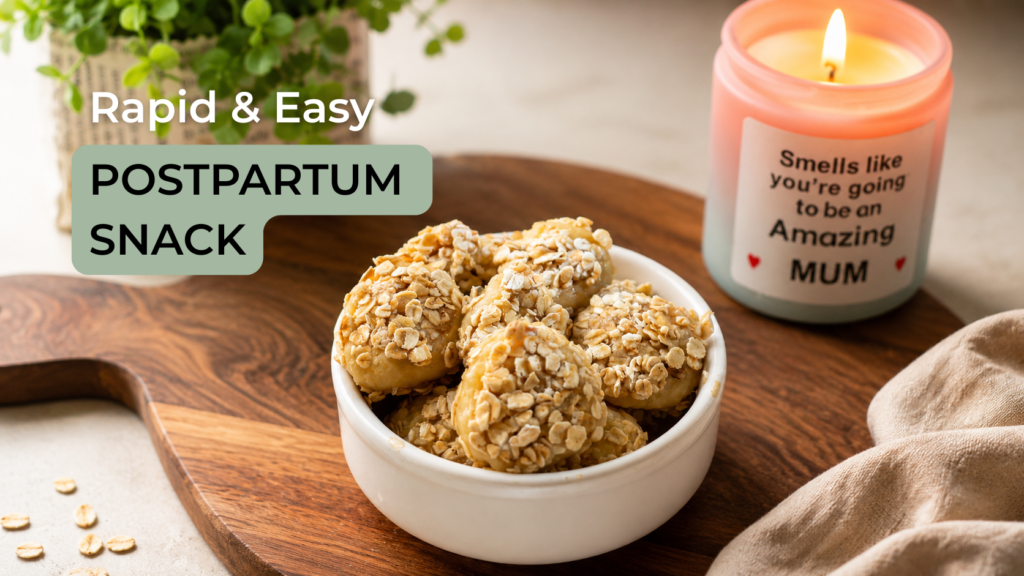
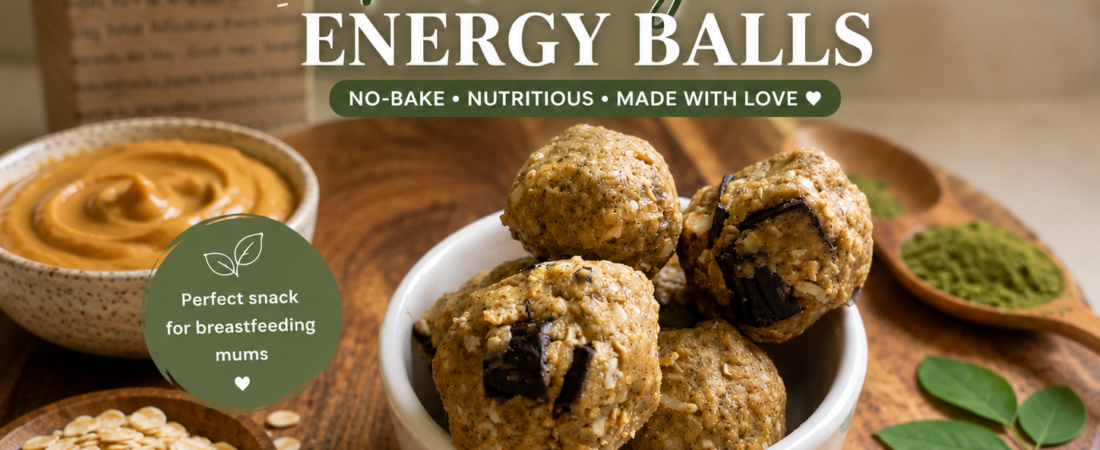
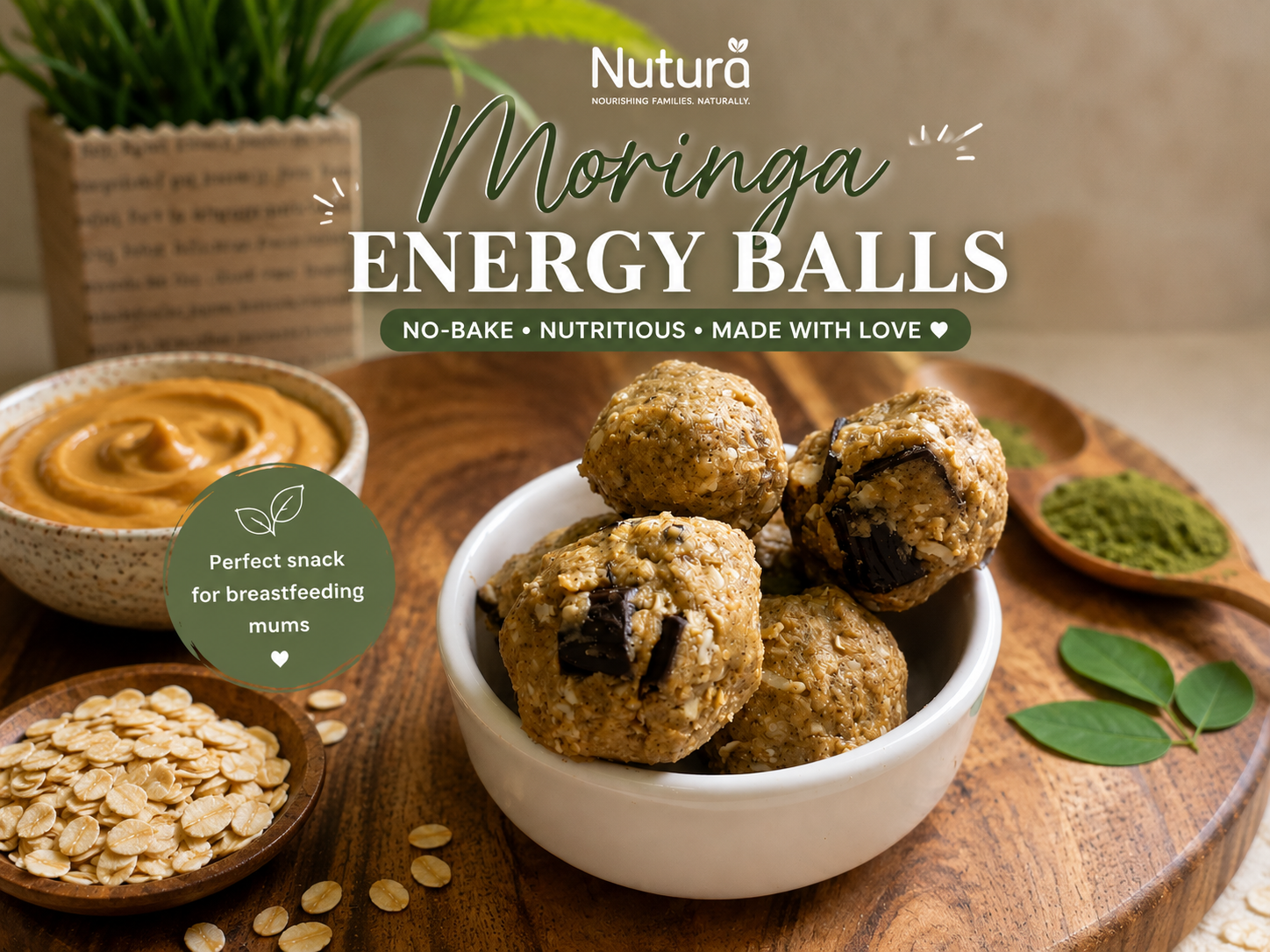
These no-bake moringa energy balls are made with peanut butter, oats, ground flaxseed, coconut, honey and fresh vanilla. They take around 15 minutes to mix, require no oven and can stay in the refrigerator for the moments when preparing another meal feels like too much.
They are naturally rich, slightly chewy and gently sweet, with fresh vanilla helping to soften the earthy flavour of moringa.
They are not a treatment for low milk supply, and eating one particular food cannot guarantee that your body will produce more milk. They are simply a convenient homemade snack containing carbohydrates, fat, fibre and some protein—useful when breastfeeding and postpartum life make regular eating more difficult.
Do moringa energy balls increase breast-milk supply?
Moringa has a long history of traditional use during breastfeeding, including in parts of Africa and Asia. Some small studies have reported possible increases in milk output, but the available evidence remains limited and cannot show that moringa will work in the same way for every breastfeeding mother.
One small Kenyan study reported increased expressed milk output among women consuming a relatively large daily amount of moringa leaf powder, but the findings came from a specific population and should not be treated as proof that a small amount in a snack will increase milk production.
Milk production is primarily driven by frequent and effective milk removal. In the early weeks, frequent feeding helps establish and increase supply. When there are concerns about milk transfer, feeding frequency, pain or infant growth, support from a qualified lactation professional or healthcare provider is more useful than relying on a particular recipe.
For that reason, Nutura presents these as moringa energy balls, not as guaranteed lactation balls.
A snack for the mother, not another breastfeeding rule
You do not need to follow a perfect or highly restrictive diet to breastfeed.
A varied eating pattern containing fruits and vegetables, carbohydrates, protein foods, dairy or suitable alternatives and enough fluids can support your general health during breastfeeding. Keeping a drink beside you while feeding may also make it easier to respond to thirst.
These energy balls can contribute to that pattern, but they should not replace meals throughout the day.
Some days, one or two may bridge the gap until lunch. On another day, they may sit beside a bowl of yoghurt and fruit as a more substantial snack.
The goal is not perfection. It is making nourishment a little easier to reach.

No-Bake Moringa Energy Balls
Method
- In a medium mixing bowl, combine the peanut butter, honey and fresh vanilla seeds until smooth.
- Add the rolled oats, ground flaxseed, desiccated coconut, Nutura Moringa Powder and a pinch of sea salt.
- Mix until all the ingredients are evenly combined.
- Fold in the chopped roasted peanuts if using.
- Refrigerate the mixture for 20–30 minutes to make it easier to roll.
- Scoop approximately one tablespoon of mixture and roll into bite-sized balls.
- Roll each energy ball in desiccated coconut or crushed peanuts if desired.
- Store in an airtight container in the refrigerator before serving.
Notes
- If the mixture feels too dry, add 1 tablespoon of peanut butter.
- If it feels too sticky, add a little extra rolled oats.
- Fresh vanilla helps balance the natural earthy flavour of moringa.
- These energy balls are naturally gluten-free if certified gluten-free oats are used.
Storage:
Refrigerator
Store the energy balls in a clean, airtight container for up to seven days.
Keep them chilled, particularly in warm Mauritian weather, because the peanut butter and coconut can soften at room temperature.
Freezer
Freeze for up to three months in a freezer-safe container.
Separate the layers with baking paper to prevent sticking.
Defrost the quantity you need in the refrigerator before eating.
Approximate Nutrition
Based on 17 energy balls and excluding optional coatings or additional peanuts, each ball contains approximately:
Calories: 110–125 kcal
Protein: 3–4 g
Fat: 7–8 g
Carbohydrates: 9–11 g
Fibre: Approximately 2 g
Sugars: Approximately 4–5 g
These values are estimates. The actual nutrition will vary according to the peanut butter, honey, coconut, oats, portion size and optional coatings used.
Why these ingredients work well together
Peanut butter gives the balls their rich texture and helps hold everything together. It also contributes fat and some protein, making the snack more satisfying than oats and honey alone.
Oats provide carbohydrates and fibre. They are often described online as a “milk-boosting” food, but there is not strong evidence that eating oats directly increases breast-milk production. Their practical benefit here is that they create a filling, affordable snack base.
Ground flaxseed adds fibre and plant-based omega-3 alpha-linolenic acid. Grinding it makes it easier to incorporate and avoids the hard texture of whole seeds.
Desiccated coconut absorbs some of the mixture’s moisture and gives the balls a softer, more structured finish.
Honey provides sweetness and helps bind the ingredients. It is safe for adults but must not be given to babies younger than 12 months because of the risk of infant botulism.
Fresh vanilla softens the moringa flavour and turns a practical snack into something that feels a little more comforting.
Frequently Asked Questions:
Can I make these without moringa?
Yes.
Leave out the moringa powder and prepare the recipe as classic peanut butter, oat and coconut energy balls. No other adjustment should be necessary.
Is brewer’s yeast required?
No.
This recipe was intentionally developed without brewer’s yeast because it is not always easy to source in Mauritius.
Brewer’s yeast is also not essential for making a nutritious breastfeeding snack or for maintaining milk supply.
Can I use crunchy peanut butter?
Yes.
Crunchy peanut butter adds more texture. Smooth peanut butter creates a softer, more uniform ball.
Stir the jar thoroughly before measuring so the natural oils are evenly distributed.
Can I replace peanut butter?
Almond butter or cashew butter may be used in a similar quantity.
The consistency varies between brands, so you may need to add a little more oats when the mixture is wet or a little more nut butter when it is dry.
These substitutions are not suitable for anyone with a relevant nut allergy.
Can I replace the honey?
A thick date paste may work, but it will change the flavour and texture.
Maple syrup is thinner than honey and may make the mixture too soft unless additional oats are added.
How many should I eat?
There is no required number.
Begin with one and decide whether you would like another according to your hunger, overall diet and individual needs.
These balls are energy-dense because they contain peanut butter, flaxseed, coconut and honey. That can be useful for a hungry postpartum mother, but it also means they are more substantial than their small size suggests.
Can children eat these energy balls?
They should not be described as automatically suitable for all babies and toddlers.
The recipe contains honey, so it must never be served to a child younger than 12 months. It also contains peanut and potentially chopped nuts, which are common allergens.
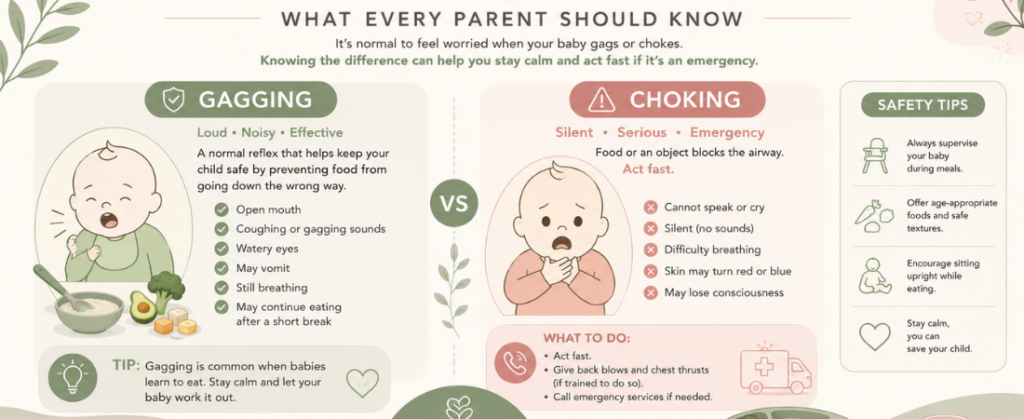
Dense, sticky balls and chunks of nut butter or nuts may also present a choking risk to young children. The CDC recommends adapting foods to a child’s developmental stage and avoiding small, hard or sticky foods that are difficult to chew and swallow.
For an older child who has safely tolerated every ingredient, omit the chopped-peanut coating, soften the mixture when necessary and serve a small flattened or crumbled portion while the child is seated and closely supervised. These are primarily formulated as an adult snack.
Can I eat these while pregnant?
The recipe was developed for breastfeeding and postpartum mothers.
Anyone who is pregnant should check the use of moringa or other concentrated herbal powders with their doctor or midwife before consuming them regularly.
The recipe can be made without moringa when a simple peanut butter and oat snack is preferred.
Will these energy balls fix low milk supply?
No recipe can diagnose or correct the underlying cause of low milk production.
Frequent and effective breastfeeding or expressing is central to establishing and maintaining supply. Concerns about poor infant weight gain, painful feeding, low diaper output or ineffective milk transfer should be assessed by a healthcare provider or qualified lactation professional.
A gentle reminder for the breastfeeding mother
It is easy to focus so completely on feeding your baby that feeding yourself becomes an afterthought.
A prepared snack will not solve the tiredness, the broken sleep or every breastfeeding challenge.
But it may mean that when hunger arrives, there is something nourishing within reach.
Place a few energy balls in a container at the front of the refrigerator. Add a piece of fruit or yoghurt when you have time. Eat one on its own when that is all the moment allows.
Small acts of nourishment still count.
Related Articles:
Disclaimer: This recipe is provided for general educational and informational purposes. It is not intended to increase milk production, treat low milk supply or replace individual medical, nutritional or lactation support. Evidence regarding moringa and lactation remains limited, and individual responses may differ. Speak with a doctor, pharmacist, dietitian or qualified lactation professional when you have concerns about milk production, your baby’s growth, medication interactions, allergies or the suitability of moringa for your circumstances.